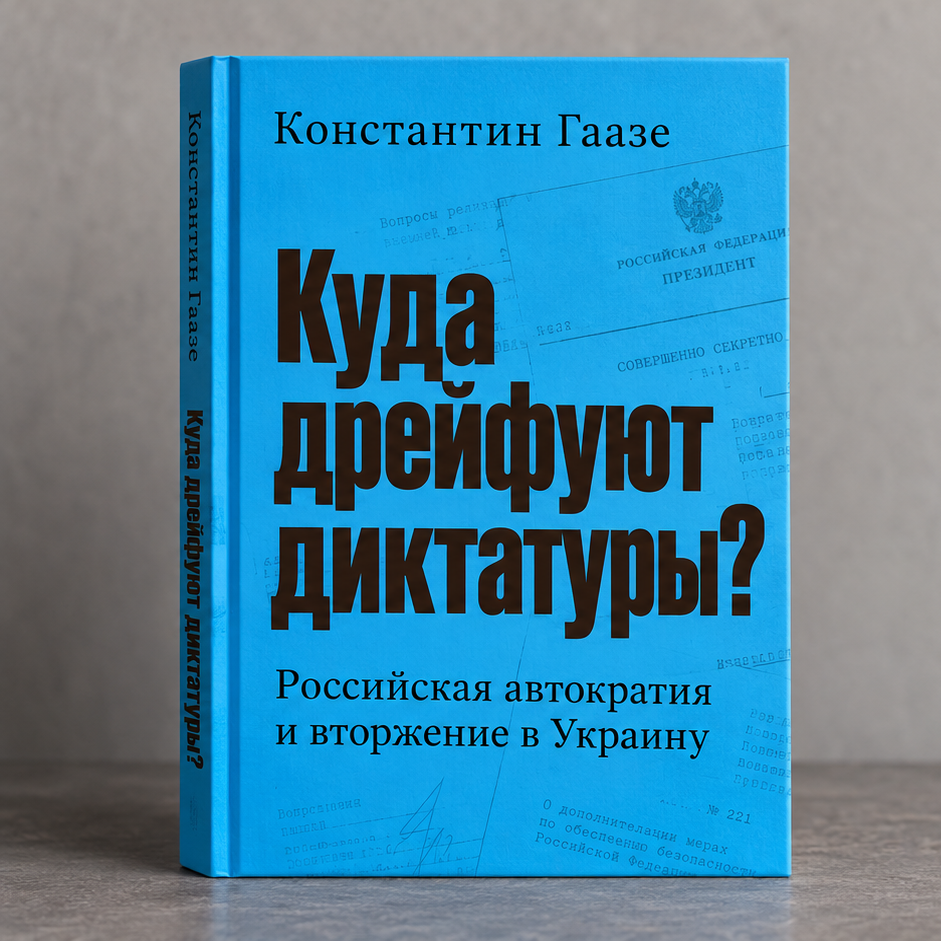
Konstantin Gaaze sets himself a difficult task: to explain how the Russian government arrived at its full-scale invasion of Ukraine. In Where Do Dictatorships Drift? Russian Autocracy and the Invas

Transition to What? The Making of Post-Socialist Capitalisms
Thirty-five years of transition: a discussion in Belgrade At the World Congress of the International Economic Association in Belgrade in June, I attended an invited academic session with Jan Svejna
The Capitalism of the Good: When the West Becomes a Victim of Its Own Virtue
Among analytical resources covering contemporary Russia, Re:Russia occupies a distinctive and important place. At a time when much commentary on Russia oscillates between ideological certainty and

Militarised accumulation and the irrational rationality of the Iran war
Mainstream explanations for the Iran war usually oscillate between two inadequate answers. One personalises the conflict: Donald Trump is impulsive; Benjamin Netanyahu is politically cornered; Iran
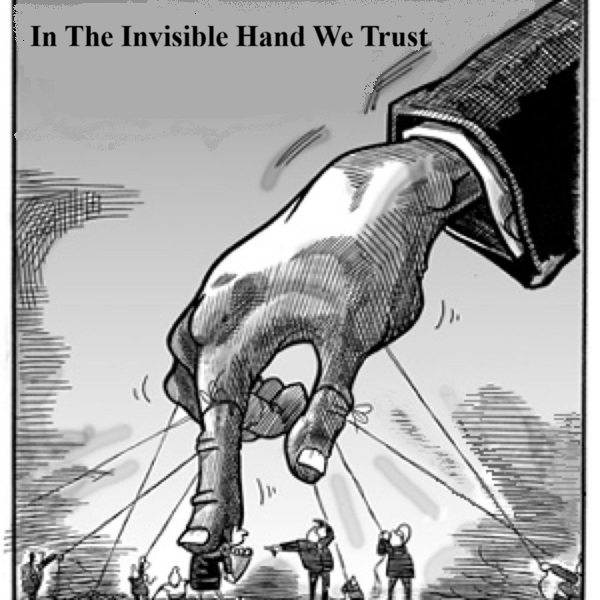
How (Not) to Read Adam Smith
Adam Smith is too important a thinker to be read through ready-made ideological templates. His work does not belong to any contemporary doctrine in a simple or direct sense, least of all to the kin

When Communism became illegal again
Across parts of Eastern Europe, Communism is increasingly treated not as a political tradition to be debated but as an ideology to be restricted, equated with Nazism under the language of “extrem
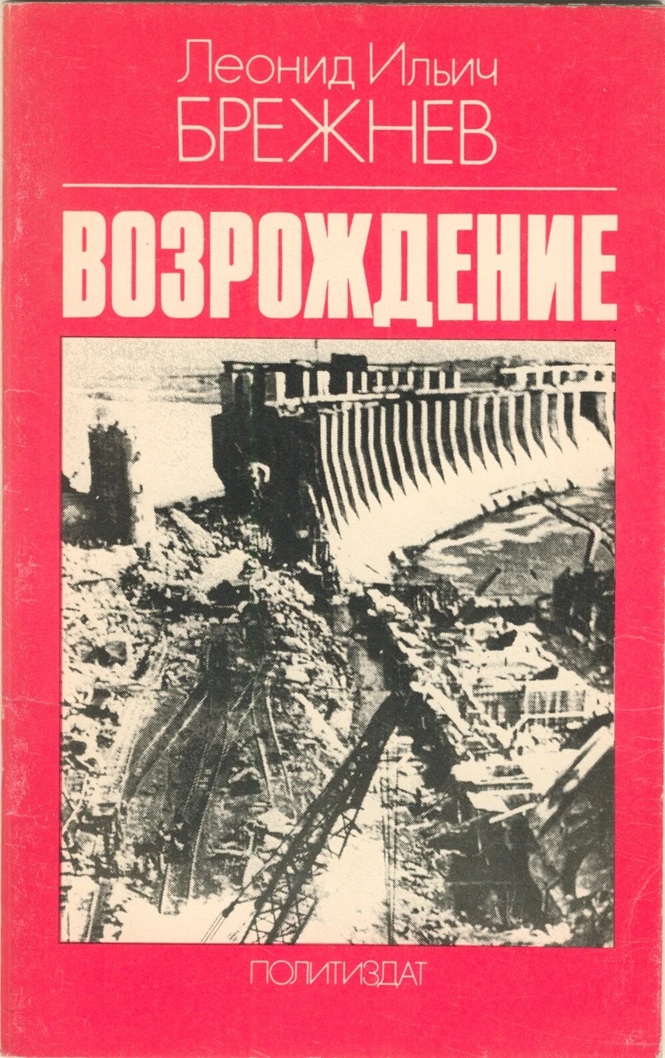
“Emergency! Today.” Was the Soviet Economy Really Planned?
Reading Brezhnev Through Mitrokhin’s Lens Introduction: Was It Really a Planned Economy? Winter holidays are supposed to be for rest. Naturally, many of us use them to do unpaid intellectual labo

Overvalued for Whom? The Ruble in a New Hierarchy of World Money
Here’s a piece in the Kyiv Independent trying to solve the riddle of the ruble’s strengthening in 2025. The ruble has strengthened despite what Konstantin Sonin calls the “classic macroeconom

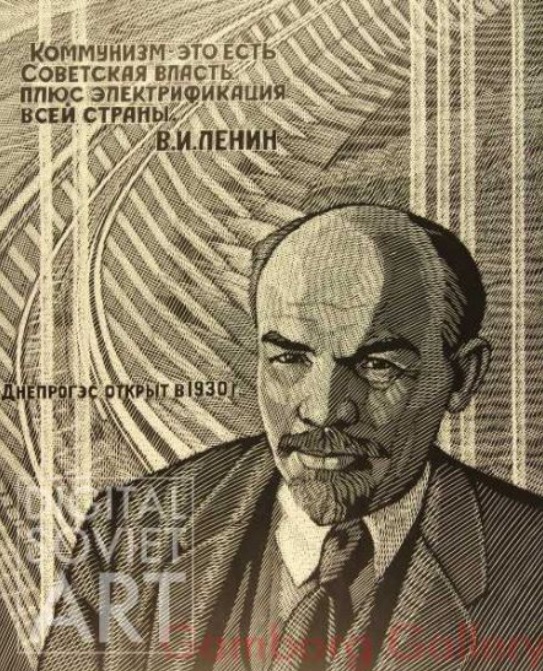
Rethinking Lenin’s Economic Legacy: Beyond “Ones and Tooze”
FP’s podcast Ones and Tooze has recently launched a new mini-series to mark two key dates in twentieth-century history: the beginning and the end of the Soviet Union (December 1922 and December 1
Can Socialism innovate? Soviet lessons and the dependent resilience of global capitalism
Introduction It has become almost an article of faith among economists that a key reason for the demise of the Soviet economic system, and of “really existing socialism” more broadly, was its i